
Home Blog Page 5

Korean firms sign MoU for up to 1,000-MW renewable energy push in Mindoro, off-grid provinces

0
Oriental Mindoro Solar

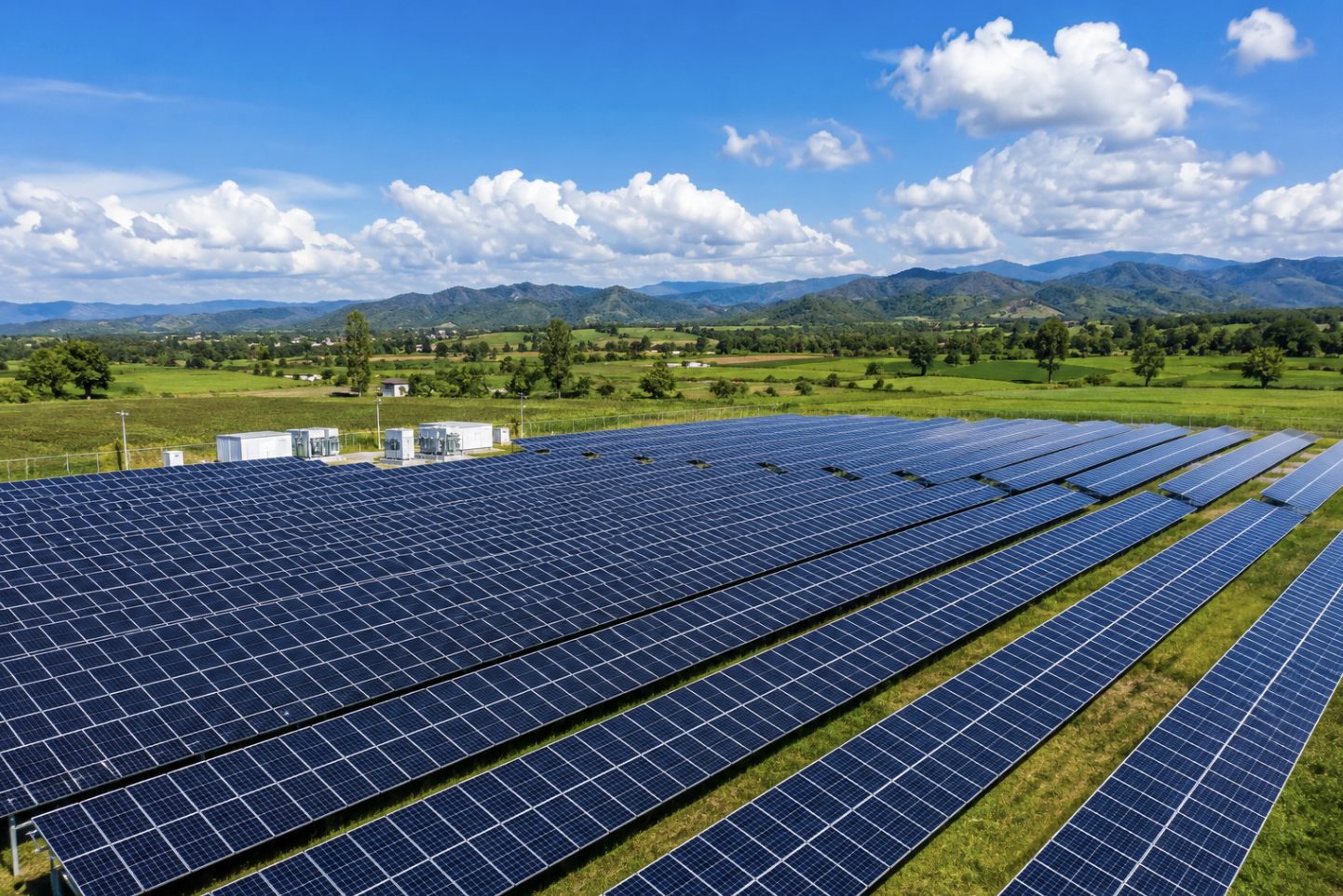
South Korean energy companies have signed an agreement to explore the development of up to 1,000 megawatts (MW) of renewable energy projects in Occidental Mindoro and other off-grid Philippine provinces, as the island grapples with daily power outages and heavy reliance on diesel generation.

A memorandum of understanding (MoU) was signed between Occidental Mindoro Governor Eduardo Gadiano, representatives of local government units, Wizzard Energy Corporation, South Korea’s CS-Tech Co., Ltd., Development Advance Solution Co., Ltd. (DASCO), and their strategic partners.

The proposed initiative, which project proponents estimate could attract about $1 billion in foreign direct investment, will explore the development of utility-scale solar power plants, floating solar facilities, battery energy storage systems (BESS), carbon credit projects and related renewable energy infrastructure.

“It is timely since Occidental Mindoro has been experiencing power outages in the past months. We are experiencing four hours of brownouts every day,” Gadiano said in an interview.

He said the province and the rest of the MIMAROPA region are not connected to the country’s main power grid and continue to rely largely on diesel-fired generation for electricity supply.

“The whole MIMAROPA region is not connected to the grid, and we are just counting on the diesel-powered generators,” he said.

Mindoro has been identified as the pilot area for the renewable energy initiative, with plans to expand to other provinces in MIMAROPA as well as Tawi-Tawi, Basilan and Sulu.

“We have identified potential sites already. Mindoro will serve as the pilot province, but will expand to all provinces of MIMAROPA, Tawi-Tawi, Basilan and Sulu, funded by Wizzard Energy through its Korean subsidiary, CS-Tech Co., Ltd.,” Gadiano said.

The governor said the local government would also pursue a power purchase agreement with the local electric cooperative for an initial 10-MW solar power facility that would help address the province’s electricity shortages.

Under the MoU, the participating local governments and private sector partners will work together to study and develop renewable energy projects across participating provinces and municipalities.

If realised, the initiative could support the Philippines’ efforts to improve energy security in remote and off-grid areas while reducing dependence on imported diesel fuel through the deployment of solar power, energy storage and other renewable energy technologies.

Bago Negros Energy breaks ground on 150-MW wind project in Negros Occidental

0
Bago Negros Energy

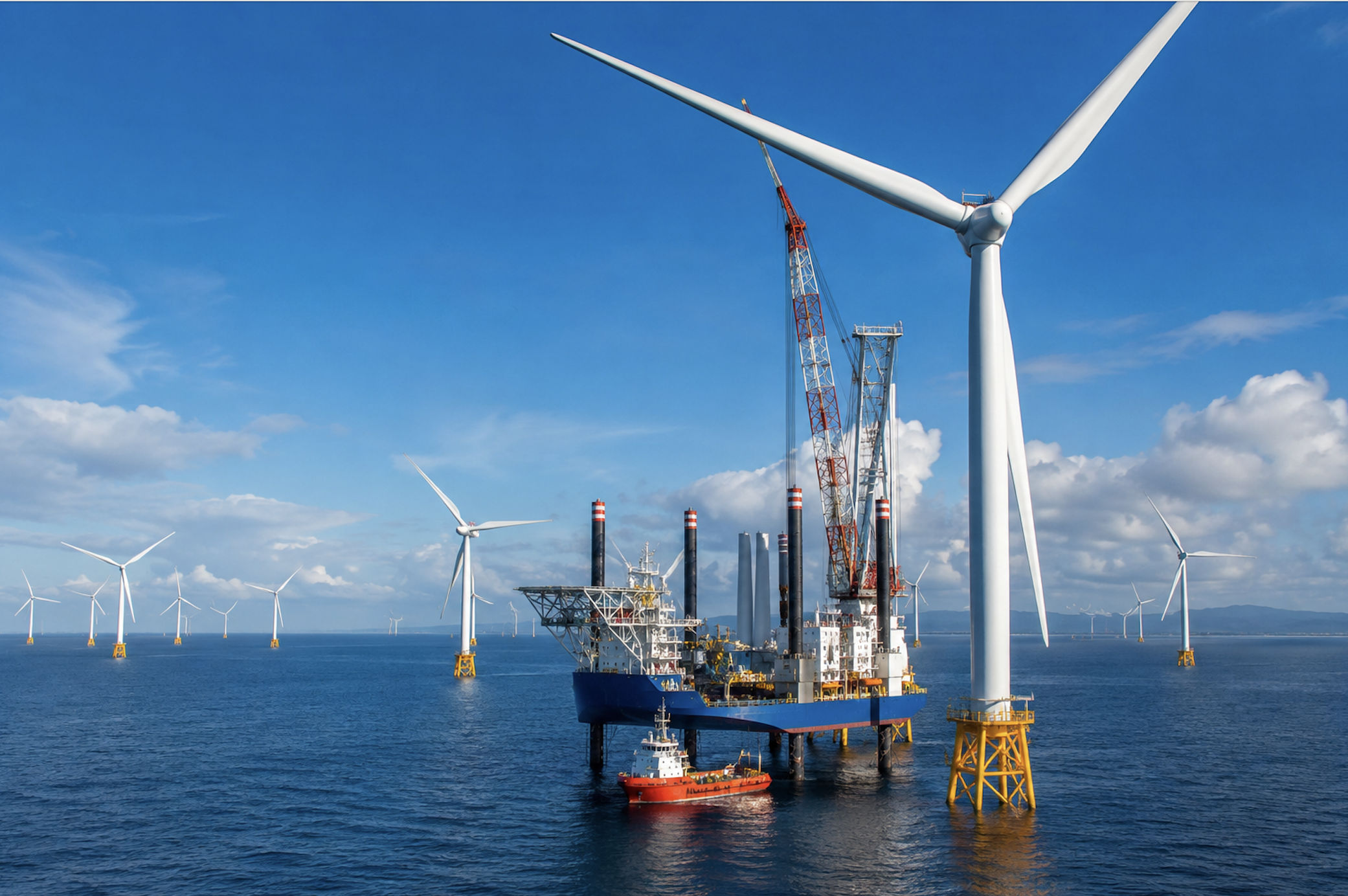
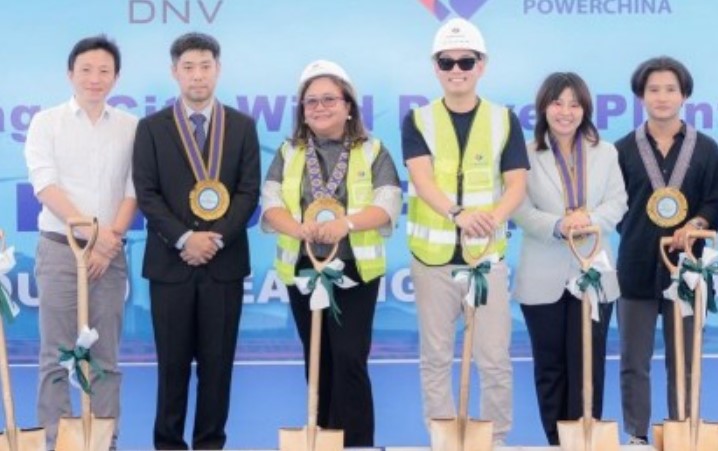
Bago Negros Energy Corp. has broken ground on a 150-megawatt wind power project in Bago City, Negros Occidental, the first wind development of its kind in the Negros Island Region.

The project, with an initial cost of 9.78 billion pesos, will involve the construction and operation of 23 wind turbine generators across seven barangays. It is expected to strengthen power supply in the Visayas grid and support the Philippines’ renewable energy roadmap.

“This is our first project in the Philippines. Right now, we have put our focus on the Philippine market. This is going to be our first, that’s why we would like it to be a hundred percent success,” BNEC Vice President Passakorn Panyaratanakorn said during the groundbreaking ceremony in Barangay Calumangan.

BNEC is backed by Thailand-based renewable energy developer Sermsang Power Corp. Public Co. Ltd., which lists the Bago City Wind Power Project among its developments.

Bago City Mayor Marina Javellana-Yao said the project showed what can be achieved when government, the private sector and communities work together for sustainable development.

“We are not only witnessing the start of a structure, we are witnessing the beginning of a legacy,” Javellana-Yao said.

Department of Energy Renewable Energy Management Bureau Assistant Director Ruby de Guzman said the project would help position Bago City as an emerging renewable energy hub in Negros Occidental.

“You have diverse renewable energy resources. With this 150-MW wind power project, we are seeing that Bago City is now becoming the rising renewable energy hub in Negros Occidental,” De Guzman said.

The construction of the wind project is expected to take about a year.

Based on the project’s executive summary, the Department of Energy awarded the Bago City Wind Power Project a service contract area covering 5,265 hectares. The area will accommodate the wind power plant’s core facilities, substation, access roads, support facilities and other supplementary areas.

The project area spans Sampinit, Taloc, Calumangan, Busay, Lag-asan, Balingasag and Napoles.

Barangay Napoles will host 10 wind turbine generators and a substation, while Busay will have seven turbines, Calumangan three, and Taloc, Sampinit and Lag-asan one each.

25-kW Solar Project Powers Water, Homes on Off-Grid Matabas Island

0
REPower Matabas
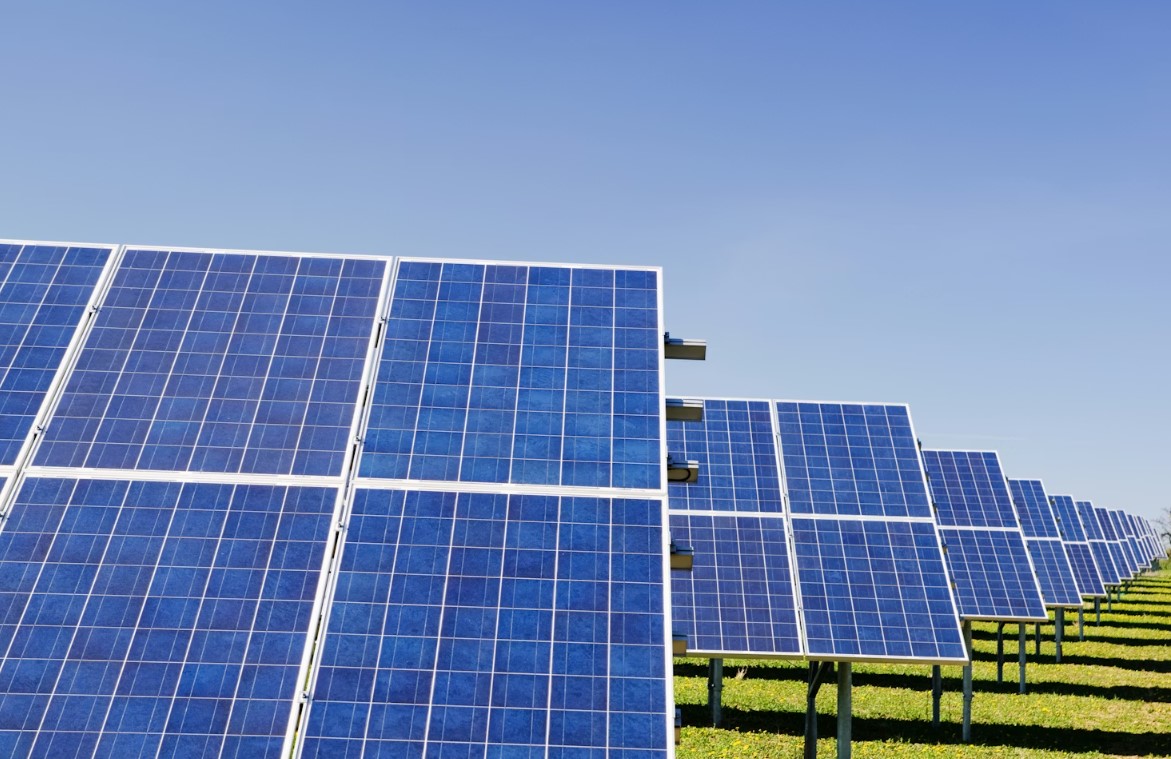
Photo by Zbynek Burival on Unsplash.

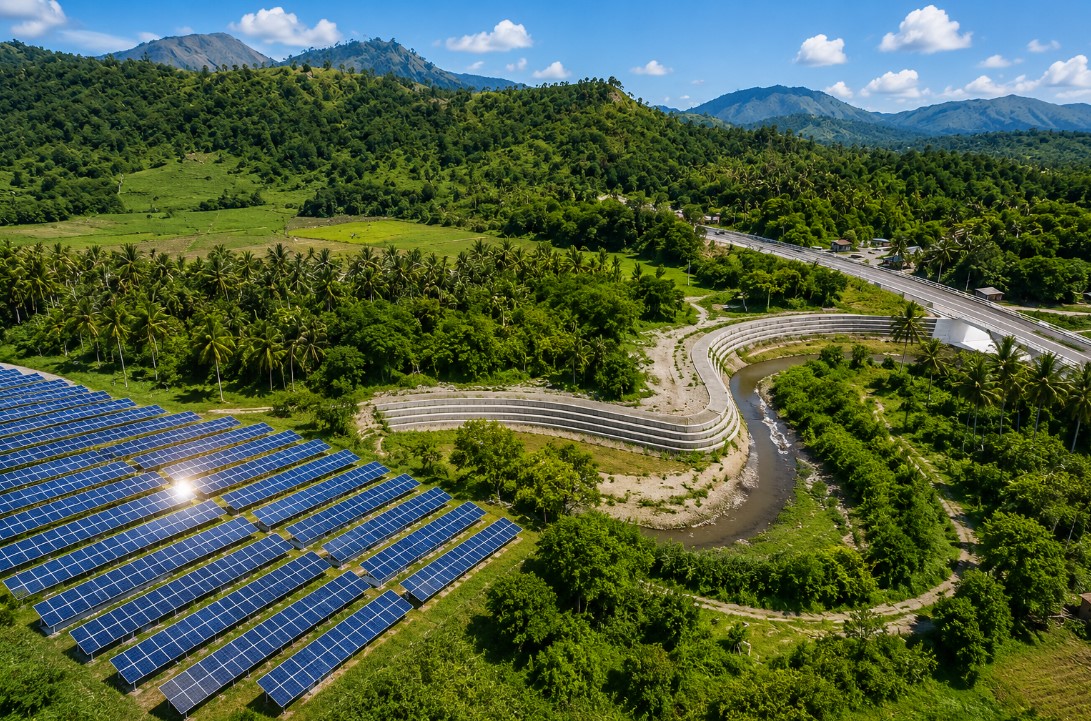
A 25-kilowatt community solar power project integrated with a solar-powered water desalination system has been commissioned on Matabas Island in Negros Occidental, bringing electricity and clean water services to about 150 households in the off-grid community.

The initiative, known as the REPower Matabas Project, was launched to mark World Oceans Day and is being implemented by the Negrosanon Initiative for Climate and the Environment (NICE) with support from the Honnold Foundation and other partners.

The project consists of a 12-kilowatt hybrid solar system powering a water desalination facility, an eight-kilowatt hybrid rooftop solar installation for the island school, and a five-kilowatt solar system for the local church. It also includes 70 solar-powered streetlights, community charging stations and a battery energy storage system.

Former Negros Occidental governor Rafael Coscolluela, now the province’s consultant for environment and energy, said the initiative forms part of the province’s broader renewable energy transition program.

“We hope Matabas can become a model for community-based renewable energy projects that can be replicated in other remote areas,” he said in a statement.

Matabas, part of Barangay Molocaboc in Sagay City, is accessible only by a 45- to 50-minute boat ride from Vito Wharf. NICE Secretary-General Joshua Villalobos said the island is not included in the electrification plans of the Northern Negros Electric Cooperative because of its off-grid location.

He said the project was designed not only to deliver clean energy but also to address development challenges identified by the community, including access to safe drinking water, lower energy costs and improved public services.

Second District Representative Alfredo Marañon III said the project had fulfilled the community’s long-standing aspiration for reliable water and electricity supplies.

The initiative also includes training for members of the Matabas Active Women Association on alternative livelihoods and disaster risk reduction, highlighting the role of women-led, community-centered clean energy solutions for off-grid island communities.

ADB, Philippines build renewable energy project pipeline

0
Photo: ADB

The Asian Development Bank (ADB) is working with the Philippine government to develop a pipeline of energy projects aimed at accelerating renewable energy deployment, improving energy efficiency and cutting diesel use in off-grid communities, BusinessWorld reported.

Citing ADB Country Director for the Philippines Andrew Jeffries, the report said the multilateral lender is identifying priority projects for future financing through a combination of sovereign and private sector support.

“ADB is continuing to support the Philippines in scaling up renewable energy by providing sovereign and non-sovereign financing, in addition to transaction advisory services,” Jeffries told BusinessWorld, adding that the bank is working with the government to identify projects for future funding.

According to the report, the proposed pipeline includes support for a government energy management plan, a geothermal resource derisking facility to encourage greenfield development, and initiatives to reduce diesel consumption in off-grid areas.

The projects are being developed as the Philippines seeks to increase the share of renewable energy in its power generation mix to 35% by 2030 from around 26% currently.

BusinessWorld reported that ADB is also supporting the government’s energy transition through policy-based lending designed to strengthen regulations, diversify energy sources and expand access to electricity.

Jeffries said the Philippines’ largely privatized power sector and established regulatory framework have helped attract private investment, citing strong participation in the government’s Green Energy Auction (GEA) programme.

The Department of Energy awarded contracts to 123 winning bidders under the fourth round of the GEA last year and plans to offer at least 25 gigawatts of additional renewable energy capacity through annual competitive auctions beginning this year.

“The successful implementation of a green energy auction program is evidence that the country is able to attract much needed investment in clean energy,” Jeffries told BusinessWorld.

The report came as ADB officials called for greater regional energy cooperation. ADB President Masato Kanda said the lender’s newly launched Pan-Asia Power Grid Initiative would help strengthen cross-border electricity networks and mobilise private capital to support the region’s energy transition.

DOE checks energy facilities after 7.8 quake in Sarangani

0

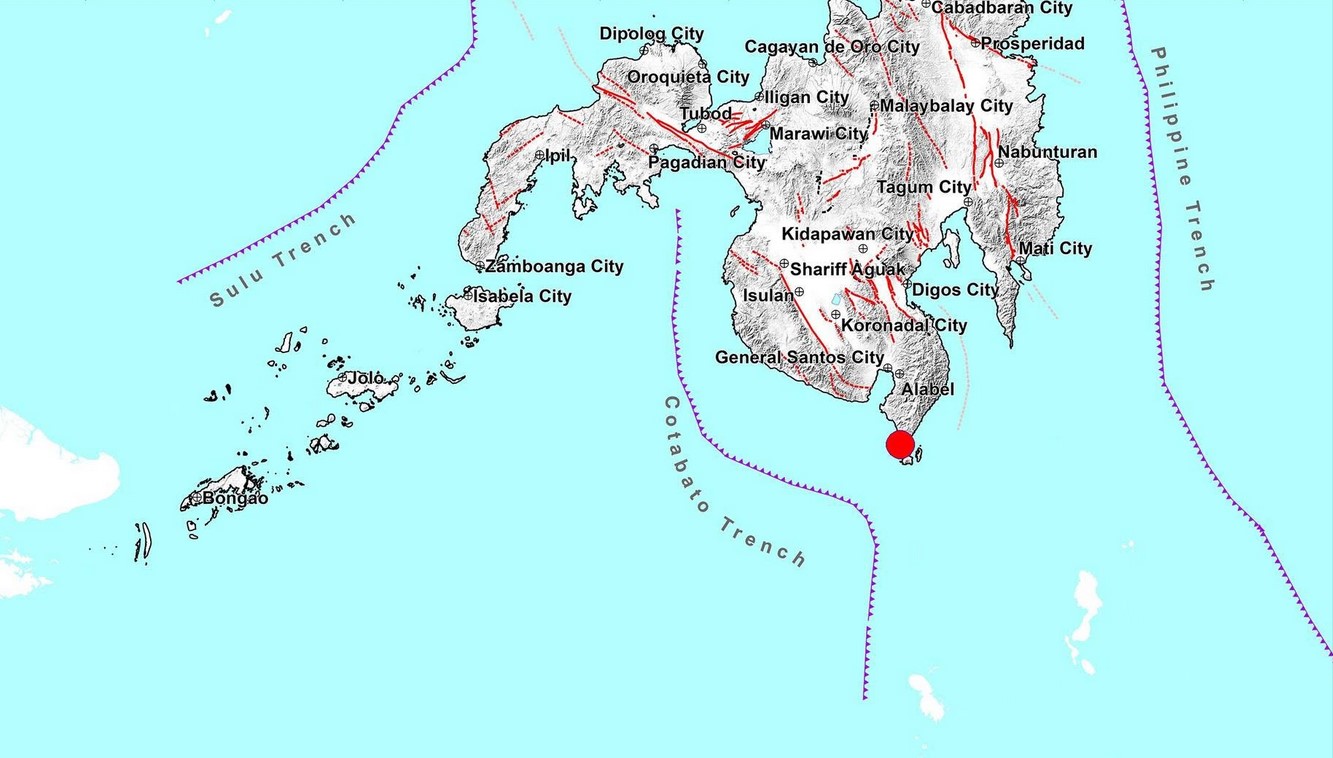
The Philippines’ Department of Energy said it has begun assessing energy facilities in Sarangani and nearby areas after a magnitude 7.8 earthquake struck the area.

The DOE, through its Task Force on Energy Resiliency, said it had activated coordination with electric cooperatives, distribution utilities and oil industry stakeholders following President Ferdinand Marcos Jr.’s directive to immediately assess critical infrastructure after major disasters.

The department said it was consolidating reports on the condition of power lines, substations, distribution facilities, fuel depots, retail stations and other energy infrastructure to determine whether any facilities were affected.

Continuous monitoring is being conducted to ensure the uninterrupted supply of electricity and petroleum products in affected communities, the DOE said.

The agency added that it remains in close coordination with local energy stakeholders to facilitate rapid response measures should damage to energy infrastructure be confirmed.

Cathay Land taps COREnergy amid rising focus on electricity costs

0

For property developers, electricity is no longer just another monthly bill.

Cathay Land Inc., the real estate arm of the Cathay Group of Companies, has partnered with COREnergy to place 46 electricity connection points across its industrial and residential developments under the Retail Aggregation Program, a government initiative that allows eligible customers to pool power demand and choose a retail electricity supplier.

The arrangement gives Cathay Land a way to manage electricity use across multiple sites as one portfolio, rather than as separate accounts.

COREnergy is the retail electricity arm of Vivant Energy.

Under the program, Cathay Land can combine smaller electricity loads from different properties to meet the requirements for participation in the competitive retail electricity market. The company said this would help it gain more flexibility in power sourcing, reporting and long-term energy planning.

“Grouping these properties under the aggregation program is a practical step toward more efficient utility management,” said Mary Ann Kocencio, Cathay Land’s vice president for corporate administration.

The deal reflects how large companies with scattered operations are paying closer attention to electricity procurement, as energy prices remain volatile and businesses look for better visibility over costs.

Retail aggregation has been gaining interest among property, manufacturing and commercial companies, which can use combined demand to negotiate with suppliers and manage power planning more actively.

“For businesses with multiple locations, the Power of Choice should not be limited by how their meters are structured,” said Marko Sarmiento, vice president and operations head of COREnergy.

For Cathay Land, the move places electricity procurement alongside other operational decisions that can affect margins, planning and resilience across its developments.

Repower Energy Development Corporation to acquire 15.93-MW Tubig hydropower plant in Eastern Samar

0
Repower
Photo by Diwei Zhu on Unsplash.

Philippine-listed renewable energy firm Repower Energy Development Corporation said it is acquiring a hydropower plant in Eastern Samar in a deal valued at P3.925 billion, marking a major expansion of its operating portfolio in the Visayas.

In a disclosure, the company said it, together with other entities, signed a share purchase agreement on May 28 to acquire 100% of the capital stock of Taft Hydroenergy Corporation (THEC), owner of the 15.93-megawatt Tubig Hydropower Plant.

The Tubig Hydropower Plant refers to run-of-river hydroelectric facilities located along the Taft-Tubig River within the Samar Island Natural Park in Eastern Samar.

Repower Energy said the acquisition would increase its operational hydropower capacity by around 45% and make the Tubig facility its 10th operational hydropower plant. The company said the transaction is expected to contribute to higher income and cash flow.

The transaction’s total consideration amounts to P3.925 billion, including a P1.1-billion loan. Repower Energy’s share in the acquisition consists of 520 million shares worth P1.57 billion, while its share of the loan totals P440 million.
The remaining shares will be acquired by Tokai Corporation and South East Energy Corporation, according to the disclosure.

Repower Energy said the acquisition price was based on the “cashflow of the hydropower business” of THEC.

The deal remains subject to several closing conditions, including clearance from the Philippine Competition Commission (PCC), compliance with business warranties, lender consents, and other customary regulatory approvals.

THEC’s Tubig Hydropower Plant is currently its sole major project, according to the disclosure. Majority ownership of THEC is held by Magis Energy Holdings Corporation, which owns about 78.84% of the company.

Repower Energy’s board approved the transaction on April 13, while stockholder and regulatory approvals are still pending.

RenewableEnergy.ph Is Launching Soon

0

The Philippines is entering a critical phase in its energy transition, with billions of pesos expected to flow into renewable energy, grid modernization, battery storage, electric mobility, sustainability, and climate-related infrastructure over the coming years.

RenewableEnergy.ph is being built as a dedicated platform covering the business, investment, and policy developments shaping the country’s clean energy future.

The site will focus on:

  • Renewable energy projects and investments
  • Solar, wind, hydro, geothermal, and battery storage
  • Climate finance and green infrastructure
  • Power and energy policy developments
  • Corporate sustainability and ESG
  • Development finance and energy transition funding
  • Electric mobility and clean technology
  • Philippine and Southeast Asian energy markets

Our goal is to provide clear, business-focused journalism for investors, executives, policymakers, developers, and stakeholders across the renewable energy ecosystem.

The platform is currently under development and will launch soon.

For partnerships, media inquiries, and collaborations, you may reach us at: 📩 editor@renewableenergy.ph

Stay tuned as RenewableEnergy.ph prepares to cover the next chapter of the Philippines’ energy transition.